01
Recover and reuse resources
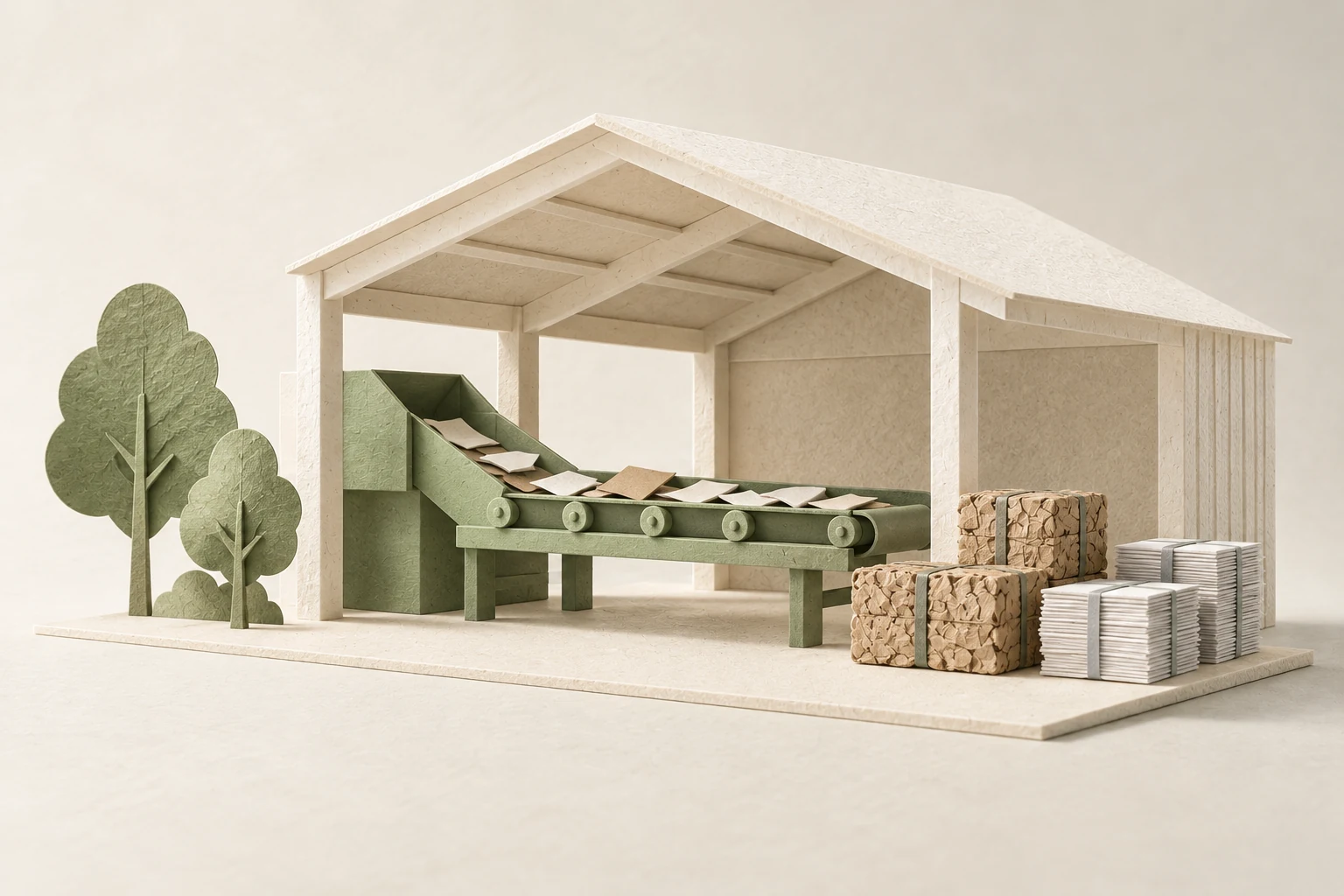
We consider projects that connect waste sorting and recovery with the next use of materials.
Development & investment
From feedstock collection to the users of recovered resources and energy, we assess technology, finance and local conditions to shape a practical route to environmental infrastructure development.
Considering the full path from feasibility to development and operation
Areas of focus
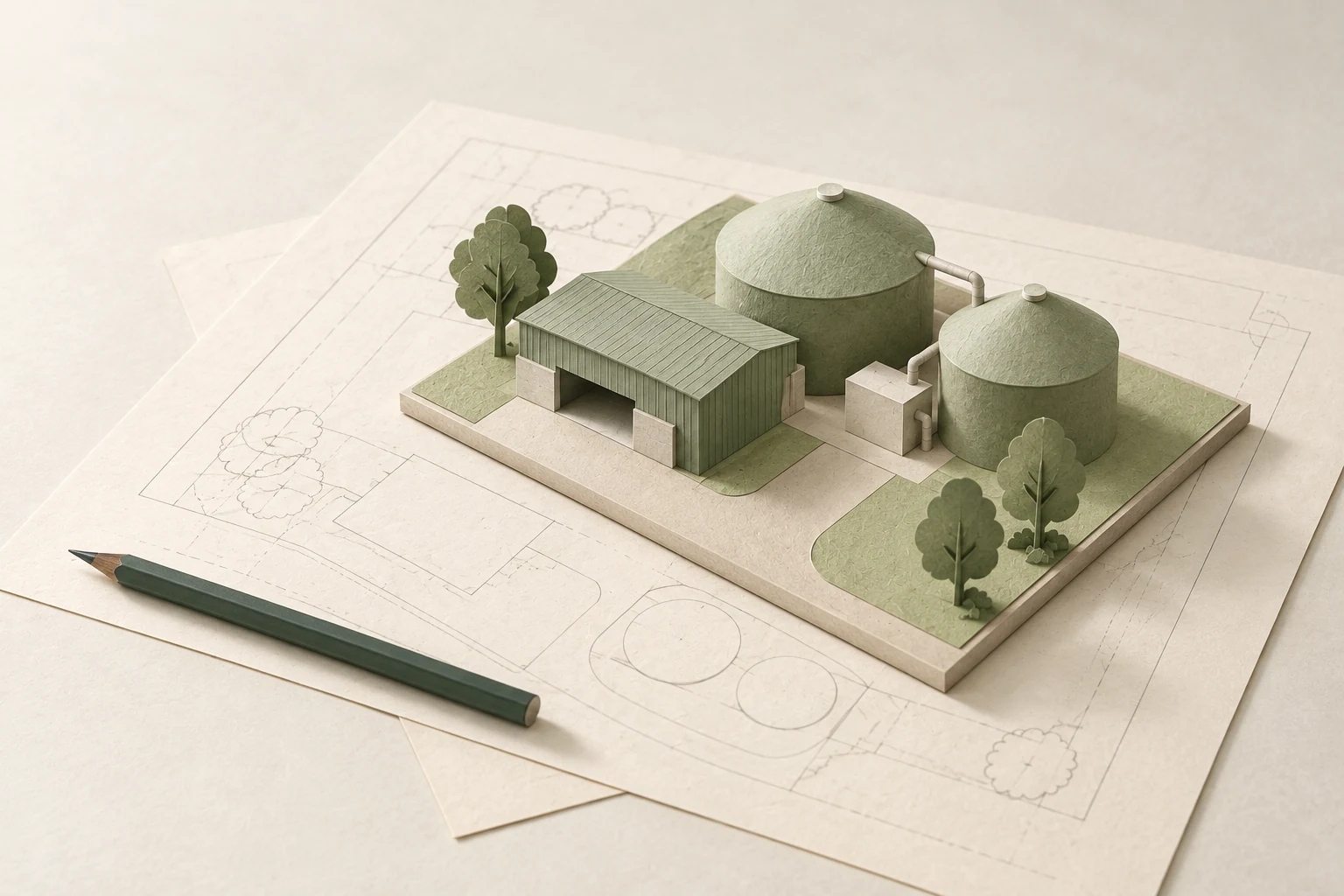
Our evaluation spans the connected systems that support resource efficiency, cleaner energy and sustainable urban development.
01
We consider projects that connect waste sorting and recovery with the next use of materials.
02
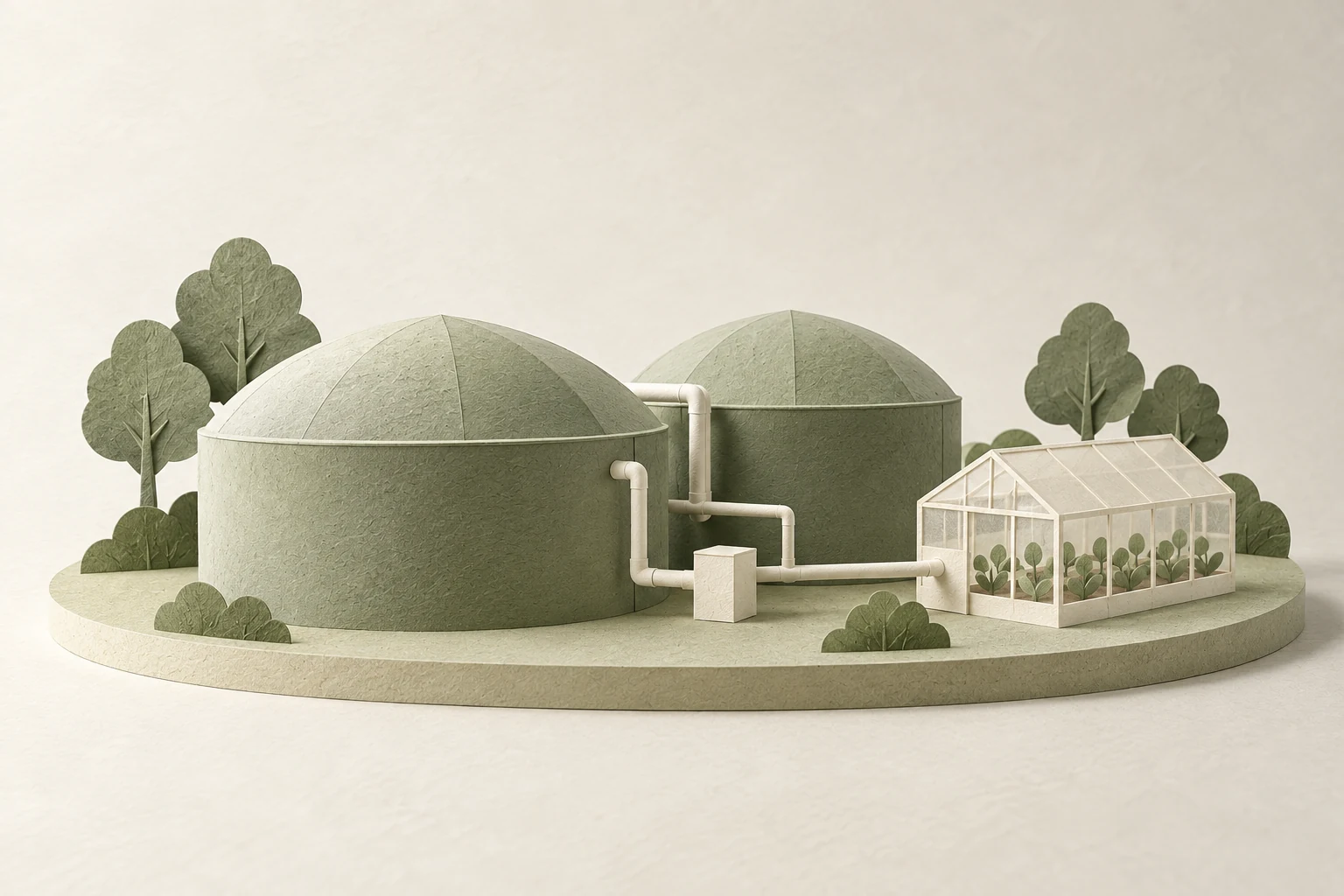
We assess organic feedstock and hard-to-recycle waste against appropriate options and local energy demand.
03
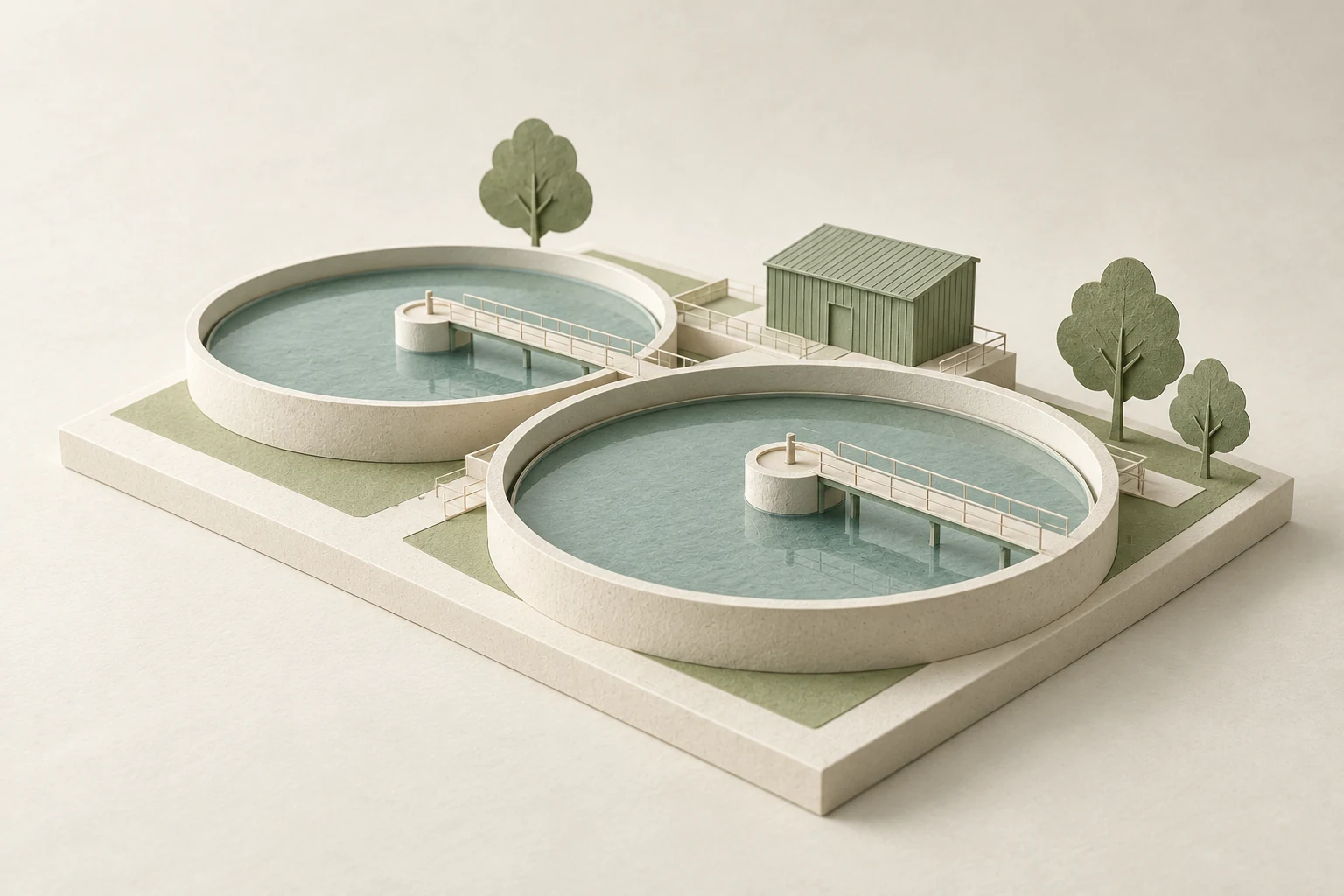
Our evaluation also covers water treatment and related environmental technologies that address local needs.
Markets
Feedstock, regulation and demand differ by location. We seek to assess opportunities across Japan and Asia with partners who understand local conditions.

Technology, engineering, management and capital linked to environmental infrastructure opportunities.

Opportunities associated with urbanisation, waste generation and demand for modern infrastructure.

Environmental technology, clean-energy and circular-economy opportunities.

Other regional opportunities assessed according to local needs and project feasibility.
These are markets under consideration, not a list of offices or operating project locations.
Development process
We assess the conditions needed at each stage. The ten development steps are grouped into three phases.
Understand needs, feedstock and feasibility
Identify opportunities consistent with the platform’s environmental infrastructure focus.
Assess the initial technical and commercial case.
Review the quantity, characteristics and availability of suitable input materials.
Assess technology, requirements and economics
Evaluate technologies against feedstock and project requirements.
Assess the environmental context and applicable project requirements.
Examine project economics and key assumptions.
Structure the project and progress towards operation
Consider suitable investment and partnership structures.
Advance the project through development activities.
Progress approved projects towards operational readiness.
Monitor operating performance and project-level outcomes.
Investment structures
Potential structures depend on the needs and characteristics of each opportunity.
Evaluating capital participation in suitable environmental infrastructure opportunities.
Combining complementary technology, development and local capabilities.
Building long-term collaboration across the environmental value chain.
Progressing suitable concepts through assessment and development.
Connecting Japanese and international technologies with regional project needs.
Assessing long-term assets for environmental and commercial value.
Outcomes and projects
As operating data becomes available, we intend to report verified indicators including waste treated, resources recovered, gas and energy produced, landfill diversion and estimated emissions reductions.
Verified performance figures have not yet been published.
Indicators and units intended for future measurement and reporting
Development and investment enquiries
We consider potential collaboration in the context of each location and stage of development.