Sapporo, Hokkaido, Japan

Our businesses

New uses fordiscarded resources.

Paper, metals, organic material and hard-to-recycle waste need different approaches. We aim to connect appropriate technologies with practical uses, developing projects that keep resources in circulation.

Match the approach to the material

Look beyond collection.

  1. Paper and metalsSeparationMaterials
  2. Suitable organic feedstockAnaerobic digestionGas
  3. Hard-to-recycle wasteEnergy recoveryPower & heat

Prevent waste first. Prioritise reuse and recycling, then assess suitable recovery options.

Four areas. A connected resource system.

Separate materials, recover energy, digest organic feedstock and connect recovered resources with their next use. These are proposed business approaches, not descriptions of operating company facilities.

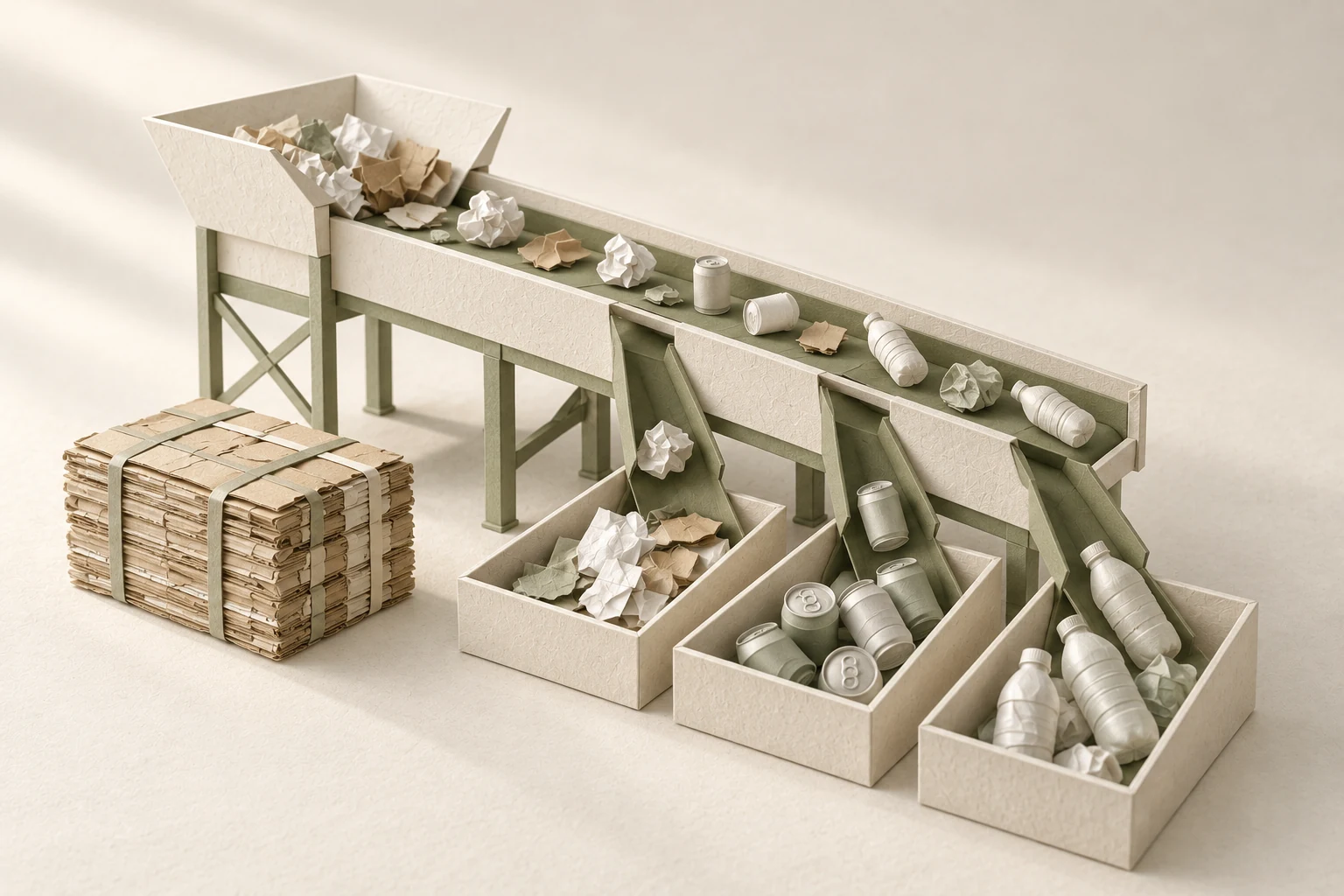
Paper model of a sorting conveyor and separate paper, can and bottle collection trays

01 / Separate

Waste Management & Processing

Recovering value from municipal, commercial, industrial and organic waste.

We aim to develop practical infrastructure for collecting, separating and processing waste. Material recovery, recycling and the treatment of legacy waste can help turn discarded streams into useful resources and energy feedstocks.

Feedstocks and areas of focus

  • Municipal solid waste
  • Wet and dry waste
  • Organic waste
  • Legacy waste and biomining
  • Material recovery and recycling
  • Refuse-derived fuel (RDF)

Resource recovery pathway

  1. 01

    Collection & segregation

  2. 02

    Processing & biomining

  3. 03

    Material recovery

  4. 04

    RDF & recycling

What matters for a viable project

Sorting quality shapes what can be recovered. We consider material quality and the requirements of potential users.
Discuss this business area
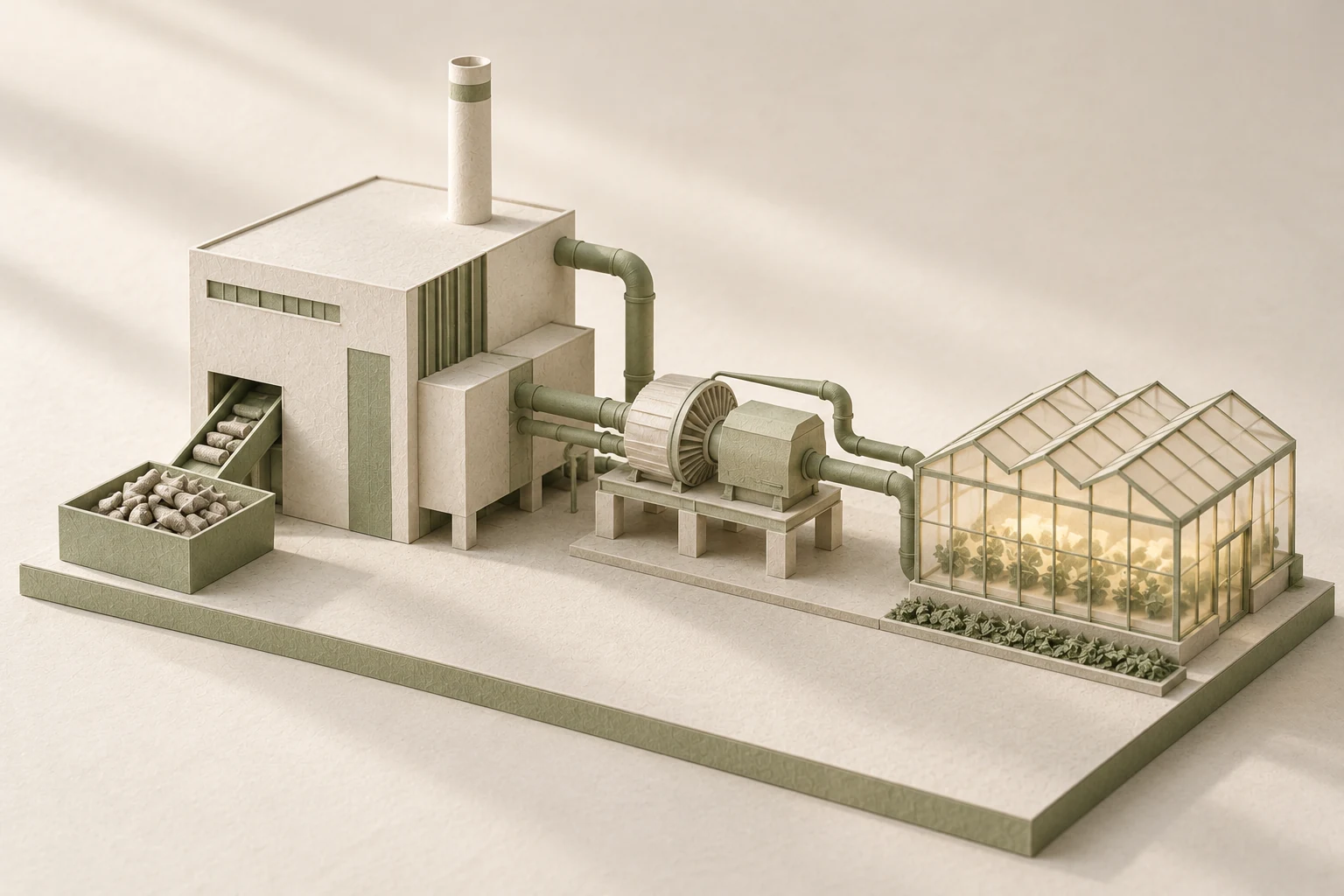
Paper model of an energy recovery facility and a local user of heat and power

02 / Recover energy

Waste-to-Energy

Recovering energy from suitable waste that cannot be recycled.

Appropriate energy-recovery technologies can complement recycling. Our focus includes RDF-based recovery, biomass, biogas, syngas and thermal conversion, with technology choices assessed against the characteristics of each waste stream.

Feedstocks and areas of focus

  • RDF-based energy recovery
  • Biomass energy
  • Biogas and syngas
  • Thermal conversion
  • Power and heat recovery

Energy recovery pathway

  1. 01

    Suitable non-recyclable waste

  2. 02

    Feedstock preparation

  3. 03

    Energy conversion

  4. 04

    Power & heat

What matters for a viable project

Where will the recovered heat or electricity be used? Reliable demand and operating conditions matter alongside the equipment.

Discuss this business area
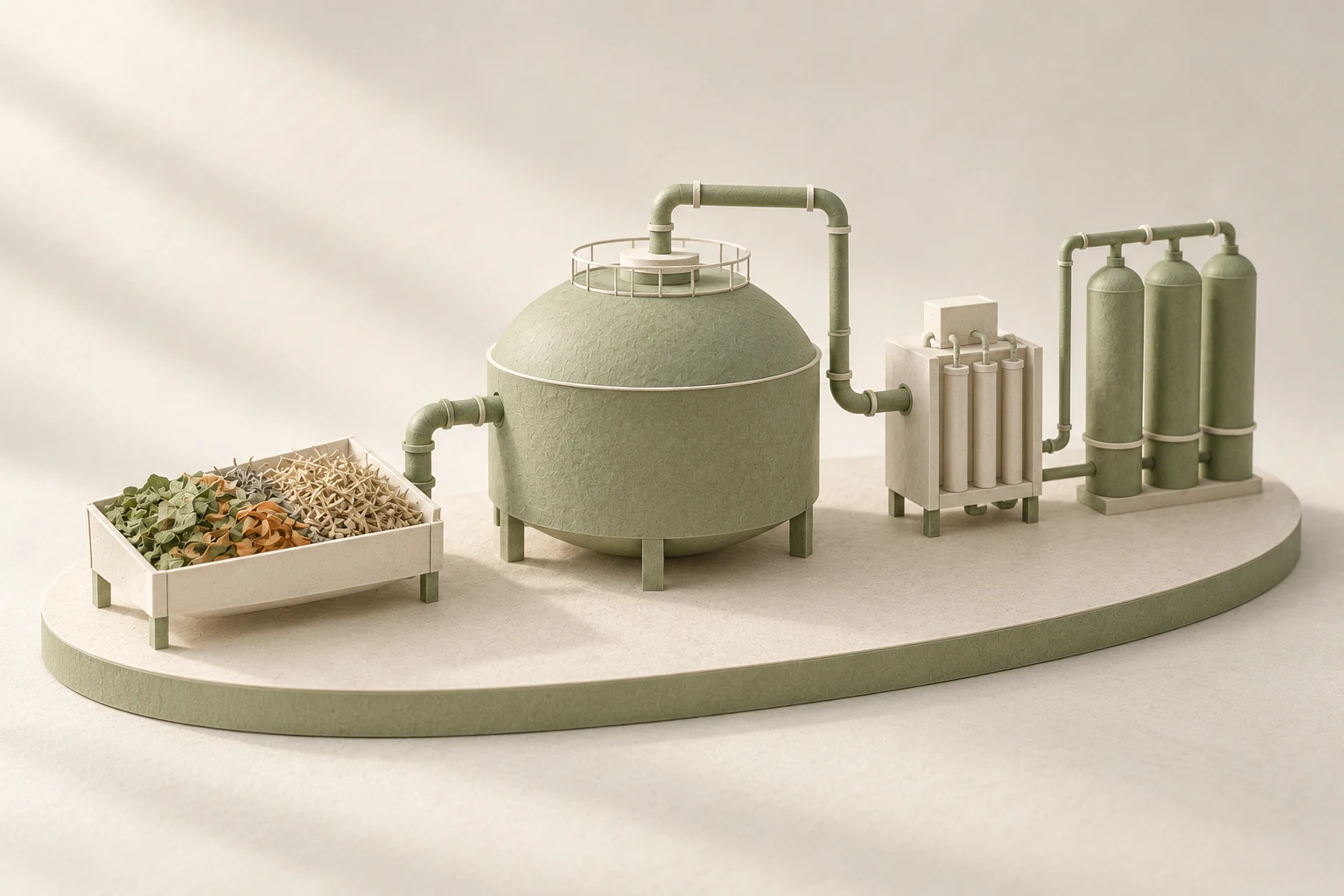
Paper model of organic feedstock, a sealed digester, gas upgrading equipment and storage cylinders

03 / Digest organic feedstock

Biomethanation & Bio-CNG

Converting biodegradable materials into renewable gas.

Anaerobic digestion uses microorganisms to produce biogas from suitable organic waste. Biogas can supply heat and electricity, or be upgraded and compressed into Bio-CNG. We consider feedstock availability, technology, fuel demand and the handling of digestate together when assessing a project.

Feedstocks and areas of focus

  • Municipal organic waste
  • Food and market waste
  • Agricultural residues
  • Industrial organic waste
  • Suitable biodegradable biomass

The Bio-CNG pathway

  1. 01

    Organic feedstock

  2. 02

    Biomethanation

  3. 03

    Biogas

  4. 04

    Upgrading and compression to Bio-CNG

What matters for a viable project

Bio-CNG is fuel made by removing carbon dioxide and other impurities from biogas, increasing its methane content and compressing it. The required quality depends on its intended use.

Discuss this business area
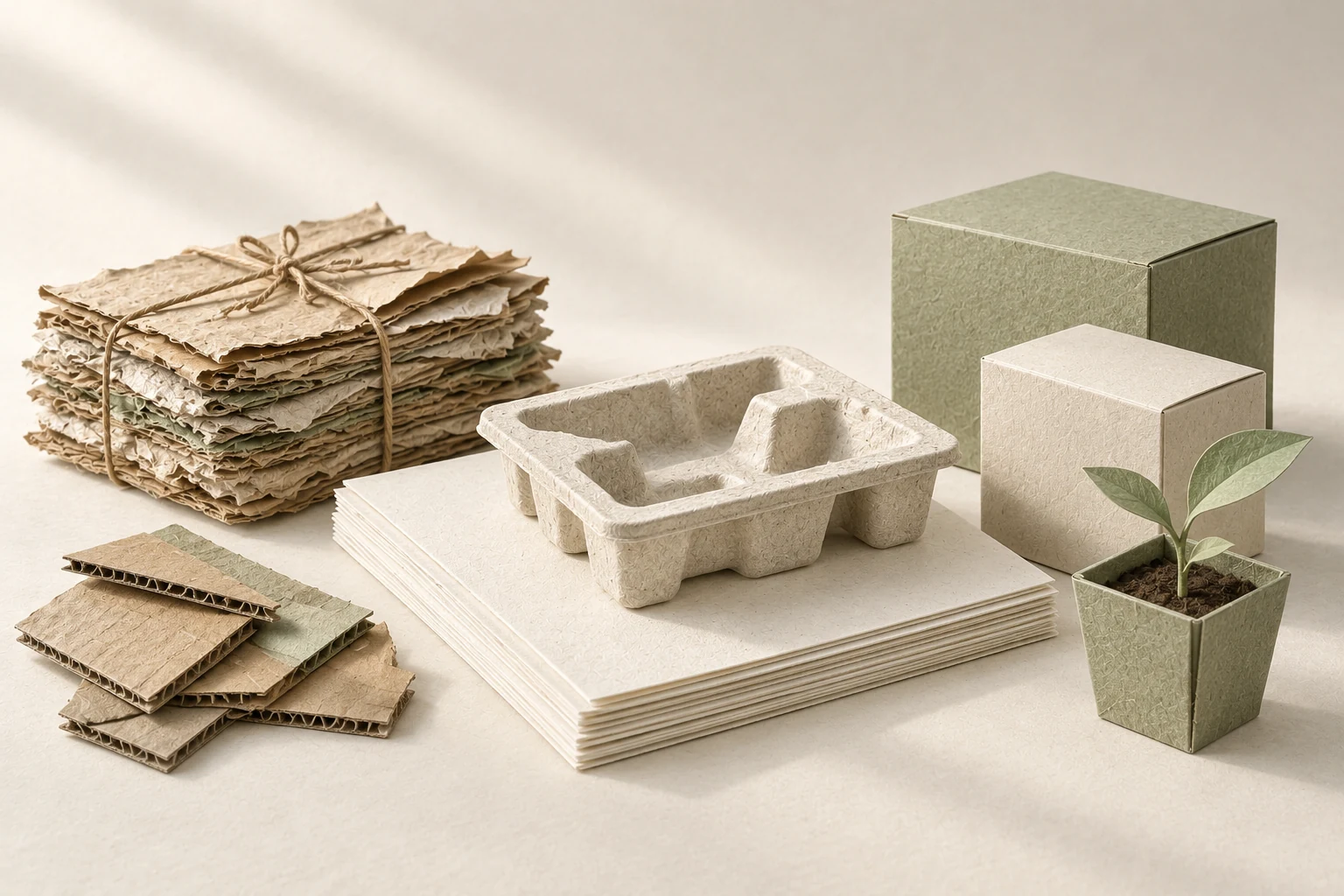
Paper sculpture of used paper becoming recycled sheets, packaging and boxes

04 / Connect the next use

Circular Economy

Keeping materials and resources in productive use for longer.

Our approach links recovery, reuse, recycling and regeneration. It considers how materials, energy and organic resources can be recovered together rather than treating each waste stream as a disposal problem.

Feedstocks and areas of focus

  • Materials → recycling
  • Organic waste → biogas
  • Biogas → Bio-CNG
  • Suitable residual waste → RDF / energy
  • Digestate → nutrient and organic resource recovery

Ways to keep resources in use

  1. 01

    Recover

  2. 02

    Reuse

  3. 03

    Recycle

  4. 04

    Regenerate

What matters for a viable project

Keeping resources in use depends on quality and demand as well as quantity. We consider local use and wider regional cooperation where needed.

Discuss this business area

Development & investment

From a processto a viable project.

Explore how we consider feedstock, technology, users and economics as part of project development.